

'Baking' the world a better place
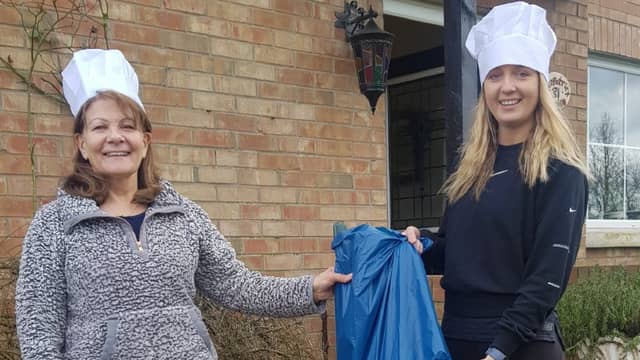

AS families lean on each other for support during the ongoing pandemic, never before has the work of foster carers across Northern Ireland been so important in providing loving and secure homes for vulnerable young people. That work is being supported by health trusts across the Province but with the restrictions making it difficult for social work teams to physically visit families, foster carers are going above and beyond for the young people in their care.
AS families lean on each other for support during the ongoing pandemic, never before has the work of foster carers across Northern Ireland been so important in providing loving and secure homes for vulnerable young people.
That work is being supported by health trusts across the Province but with the restrictions making it difficult for social work teams to physically visit families, foster carers are going above and beyond for the young people in their care.
However, in the Southern Health and Social Care Trust (SHSCT) area, staff have embraced technology to deliver cooking classes which promote the benefits of families staying connected as well as delivering important information on nutrition.
Under the guidance of Foster Services Senior Manager, Melanie Coffey, SHSCT staff delivered a six-week programme of virtual cooking classes which culminated in well-known chef, Dean Coppard from Belfast restaurant, The Last Drop tuning in for the final session to judge the young chefs.
Each week the outreach staff, headed by Natasha Kearns delivered ingredients packs, sourced from Gerard McPolin at Newry-based Patrick Murphy & Sons, to the 30 participating Foster families.
SHSCT Registered Associate Nutritionist, Shauna Quinn guided the young chefs through the cooking of dishes such as fish pie, vegetable soup, chicken stir-fry and curry. The chefs were ably assisted in the kitchen by their Foster families.
Dean was so impressed by the group’s culinary skills that he issued an invitation for them to visit his professional kitchen at the restaurant, when it is safe to do so.
He said: “I was so impressed by the standard of cooking, Natasha and Shauna deserve great credit for the work they have been doing. It is a great initiative, cooking is a great way for families to spend time together and I truly hope these classes have ignited a spark within these young people and they continue to have fun in the kitchen.
“One young lad who was taking part commented to me that he used to hate fish pie but now it is his favourite after he cooked his own. I loved hearing that.
“I had the unenviable task of picking the best cupcake on the final night and while it was an almost impossible task due to the high level of baking, I was delighted to be able to invite the winner for a meal at The Last Drop.”
The idea for the cooking classes, which were funded by the Public Health Agency as part of the Cook It programme, was sparked after SHSCT staff read about a 2019 study conducted in Liverpool which highlighted the close relationship between food, nutrition and family connectedness
Melanie Coffey said: “Across the SHSCT area we aim to provide all Foster Carers with adequate support and guidance regarding health and wellbeing and we are committed to supporting our carers to provide healthy experiences to our young people.
“Whilst figures suggest that 25% of children in Northern Ireland aged 2-15 years are overweight, there is a growing body of evidence to suggest that children who have experienced adverse childhood experiences are significantly more likely to struggle with obesity.
“Therefore, the information the young people and their carers received during the cookery classes will hopefully help guide them towards more nutritious diets.
This view was supported by Fionnuala McAtamney, Consultant Lead Psychologist in SHSCT for Looked After Children.
Fionnuala said: “Children’s brains generally consume between 20-40% of the nutrients and energy they ingest. This is disproportionately more than any other organ of the body. So, while we know that eating nutrient dense food is important for building strong bones and muscles it is also important to know that it is a crucial element of ensuring optimal brain development and function.
“Many looked after children who have experienced developmental trauma may not have had adequate experiences of healthy nutrition necessary for optimal brain development. So, adopting healthy eating habits can be a challenge but in the context of positive relational experiences, the benefits of a healthy nutritious diet can maximise the healing and development of looked after children.”
Due to the success of the six-week programme it is hoped an extension to the cookery classes can be delivered in the coming weeks. SHSCT staff are also exploring new ways in which they can support Foster families during these uncertain times.
If you are interested in learning more about becoming a Foster carer or would wish to express an interest in becoming a foster carer, log onto adoptionandfostercare.hscni.net or call 0800 0720 137.