

Electricity interconnector opponents vow to fight on after legal bid rejected
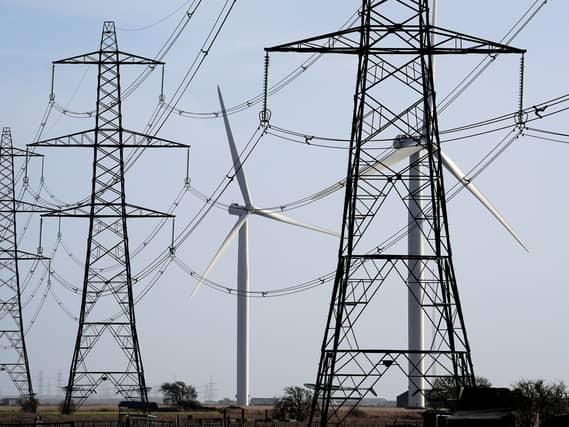

The campaign group said the ruling does not resolve its concerns about the project’s impact on landowners, countryside and the planning process
A CAMPAIGN group opposed to the creation of the North–South electricity interconnector. has vowed to fight on after its legal challenge to the project was rejected by the High Court.
SEAT (Safe Electricity for Armagh and Tyrone) has expressed deep disappointment after the Belfast High Court rejected its challenge concerning planning decisions linked to the proposed interconnector.
The campaign group said the ruling does not resolve its concerns about the project’s impact on landowners, countryside and the planning process.
The case concerned decisions by the Department for Infrastructure on the discharge of pre-commencement planning conditions for a proposed 34-kilometre route through Counties Armagh and Tyrone.
The scheme would involve more than 100 pylons carrying 400kV cables. The proceedings had been adjourned to allow the parties to seek further expert opinion on landscape and ecology issues.
SEAT represents around 6,500 residents and landowners, many of them small farmers, whose properties lie along the planned route.
The group says its challenge raised serious concerns about the planning process and the treatment of local people, including in relation to access to private land.
John Woods of SEAT said: “We are disappointed by the court’s decision, but this is not the end of the matter. The concerns raised by residents and landowners remain, and we will continue to challenge a proposal that we believe will cause lasting harm to rural communities and the countryside.
“People need infrastructure, but that does not mean this overhead scheme is the right solution. Underground cabling is a modern, proven alternative, and the decision to use it for the Meath–Kildare interconnector shows that community concerns can be taken seriously. We will review the judgment carefully and fight on.”
SEAT says underground solutions should be properly considered before a project with long-term effects on the landscape and local communities proceeds. The group points to EirGrid’s Powering Up Dublin project as further evidence that complex underground cabling can be undertaken in challenging settings.
The North–South Interconnector was first proposed in 2006. SEAT says it will continue to oppose the proposed overhead route and pursue its concerns through the appropriate next steps.