

Gareth Wilson warns of 'urgent need' for action on bovine TB after compensation costs soar
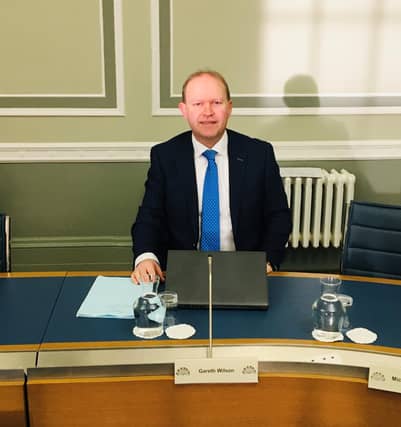

Gareth Wilson has expressed serious concern at the sharp increase in bovine tuberculosis compensation costs in the Armagh and Newry Divisional Veterinary Office areas, warning that the figures highlight the urgent need for meaningful action to tackle the disease.
DUP MLA Gareth Wilson has expressed serious concern at the sharp increase in bovine tuberculosis (TB) compensation costs in the Armagh and Newry Divisional Veterinary Office (DVO) areas, warning that the figures highlight the urgent need for meaningful action to tackle the disease.
According to figures provided by DAERA, compensation payments in the Newry DVO area have risen from £6.4 million in 2021/22 to £10.9 million in 2025/26 (the highest figure of any DVO), while compensation costs in the Armagh DVO area have increased from £2.4 million to £5.8 million over the same period.
Mr Wilson commented: 'These figures should set alarm bells ringing. The cost of bovine TB to both our farming industry and the public purse continues to rise, yet farmers are still waiting to see the meaningful progress that is needed to get this disease under control.
TB outbreaks can have a devastating impact on farm businesses. Behind every herd restriction and every reactor animal removed is a farming family dealing with uncertainty, stress and financial pressure. Farmers want to see a genuine commitment to reducing TB levels, not simply a continuation of the status quo.
At the same time, taxpayers are footing an ever-increasing bill. Compensation payments in the Newry area alone now exceed £10 million annually, while costs in the Armagh area have more than doubled in just five years. That is not a sustainable trajectory.
These figures are further evidence that the DAERA Minister's approach has so far failed to deliver the meaningful progress that is required. While compensation is essential for affected farmers, the ultimate objective must be reducing the incidence of TB and the need for compensation payments in the first place. With the Department's consultation on Potential Wildlife Intervention Options now complete, the Minister must move quickly to set out the next steps.
Farmers need certainty, and they need to see decisive action being taken as part of a comprehensive strategy to tackle TB. The longer difficult decisions are delayed, the greater the cost will be for farming families, for animal health and welfare, and for taxpayers. We need to see urgency from the Minister and a clear plan for delivering real progress in the fight against bovine TB.'