

Sharp increase in boiler servicing amid cost-of-living crisis
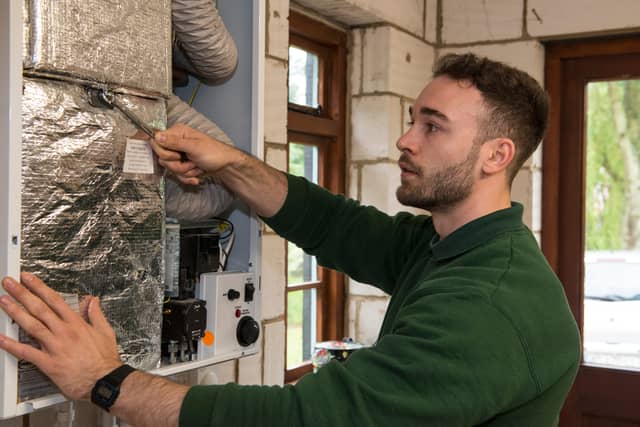

With a seemingly never-ending squeeze on household finances, more people are ensuring their boiler is running efficiently in a strive to keep costs down.
Servicing your boiler could save approximately 5% on annual fuel costs. A regular boiler service will keep your appliance running smoothly, reduce fuel bills and save money on costly call-out fees for unexpected breakdowns.*
According to OFTEC Ireland manager, David Blevings, this message is getting through as the trade organisation for the liquid fuel industry in the UK and Ireland has been swamped with enquiries for boiler services.
He said: “It is strongly recommended that appliances and equipment are serviced annually.
“Technicians are advising that requests for servicing are almost double the amount compared to this time last year.
“An efficiently running boiler will help you save money on fuel. While it may not be a huge amount, people are realising that every little helps at the minute.
“Additionally, regular servicing reduces the chances of unexpected breakdowns, and no-one wants to be hit with an unplanned expenditure during this uncertain period.
“If you decide to service your boiler, we always recommend using an OFTEC-registered business. This offers the peace of mind of knowing that any installation or maintenance work will be done by a competent technician who has been trained and inspected.”
Without regular servicing, the efficiency and reliability of a liquid fuel-fired appliance will be affected for many reasons including:
- Excessive smoke and partially burnt fuel deposits can cause soot to form within the appliance heat exchanger. This restricts the amount of heat that can be transferred into the heating system water. The cleaner the heat exchanger, the more efficient the appliance will be.
- Fuel nozzles regulate how much fuel passes through the burner. The nozzles are consumable items that wear over time, affecting combustion and lowering boiler efficiency. If they are not replaced this may cause ‘sooting up’ of the heat exchanger due to too much fuel passing through the burner.
- Fuel pumps contaminated with debris and/or water can cause premature failure.
- Photocells can glaze over with deposits. Photocells are an important safety feature which detect whether the appliance has lit. If a photocell is dirty it may not be able to detect the burner flame correctly and could cause the appliance to shut down randomly. Appliances frequently switching on and off will be less efficient than those running for longer periods.
- Electrodes can wear and attract soot and deposits. Electrodes produce a spark to light the fuel, if they are worn or in poor condition the appliance may not light. Again, this causes inconvenience, inefficiency and increases fuel cost.
- Don’t forget about the oil tank
“The condition of the tank, fuel supply pipework and all ancillary fuel supply components such as filters, deaerators etc should always be visually inspected and observations reported during service visits.
“At this stage, action can be taken to replace, or repair equipment as necessary and if the tank is over 20 years old, consumers should consider upgrading to a bunded oil tank”, added David.
For more information, visit https://www.oftec.org/