

Aontú calls for Stormont MLA numbers to be cut by almost 30%
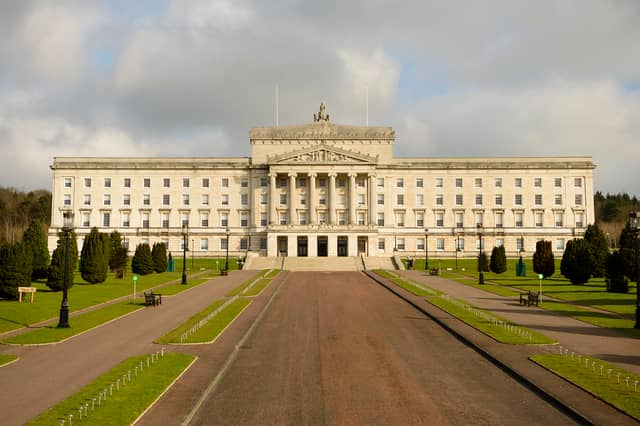
Aontú's Daniel Connolly has proposed reducing the number of MLAs at Stormont from 90 to 65, arguing that the current level of political representation does not provide value for money for taxpayers.
An Aontú representative has called for a reduction in the number of Members of the Legislative Assembly (MLAs) at Stormont, arguing that the current level of political representation does not provide value for money for taxpayers.
Daniel Connolly, Aontú's representative in Armagh, has proposed cutting the number of MLAs from 90 to 65, a move he says would reduce the size of the Assembly by almost 30%.
Speaking on the issue, Mr Connolly said many voters are unfamiliar with the number of elected representatives who currently serve their area.
He recalled a recent conversation with a woman in Keady who, despite being represented by six councillors, five MLAs and one MP, could only name two of them.
"Across the North, there are 90 MLAs and 18 MPs," he said. "With the recent huge increases in MLA pay, taxpayers are entitled to ask whether they are getting value for money."
Mr Connolly pointed to the Republic of Ireland's constitutional limit of one TD for every 30,000 people, arguing that Northern Ireland's population would equate to approximately 65 representatives under a similar system.
"I believe we should reduce the number of MLAs from 90 to 65," he said. "That would mean 25 fewer politicians at Stormont, a reduction of 28%."
He argued that adopting a similar population-to-representative ratio would create a more streamlined system of governance and reduce costs.
Mr Connolly also questioned whether Northern Ireland required multiple layers of political representation, suggesting public funding could be directed towards frontline services instead.
He further criticised the performance of Stormont politicians, highlighting issues such as hospital waiting lists, road maintenance and the cost-of-living crisis.
Referring to the recent increase in MLA salaries, he asked whether elected representatives had delivered sufficient results to justify the rise.
"People are entitled to expect results from those elected to represent them," he said. "If Stormont cannot deliver on these basic responsibilities, serious questions must be asked about the size, cost and effectiveness of the institutions."
The proposal comes amid continuing debate over public spending and political reform in Northern Ireland.